Posted on 07/31/2026
Oceania Cruises has been sailing the world for nearly a quarter century, but the Vikings got a much earlier start. Their seafaring explorations—and conquests—began more than 1,200 years ago. Long before our ships cruised Norway’s fjords or crossed the North Sea, sleek Viking longships cut through these waters, their chieftains barking orders in Old Norse above the wind and waves.
A lot has changed since then. Wooden vessels powered by sails and oars have given way to the elegant ships of Oceania Cruises. Grog and grub have been replaced with fine wines and exceptional cuisine. While we visit many of the same Northern European ports once shaped by daring Norsemen, we do so with comforts unimaginable during the Viking Age. From burial ships and reconstructed longhouses to ancient assemblies and hearty Viking fare, these destinations reveal a civilization far more sophisticated than the stereotypes suggest.
Norway: Where the Saga Begins
Few places are more closely tied to Viking identity than Norway. In Oslo, remarkably preserved 9th-century burial ships still display their graceful lines, intricate carvings and masterful craftsmanship. Their survival is thanks to an unexpected twist of history: rather than being sent to sea in flaming funerals, these vessels were buried beneath great mounds to accompany powerful leaders into the afterlife.
Near Haugesund, Avaldsnes—once the royal seat of King Harald Fairhair—brings Viking life into focus with reconstructed farm buildings and timber halls. Farther north, the Lofotr Viking Museum in the Lofoten Islands features a full-scale chieftain’s hall where blacksmiths forge iron, boats are built and visitors can handle replica Viking tools.
Norway’s stave churches offer another remarkable legacy of the era’s transition to Christianity. Built entirely of timber, these fairytale-like structures feature soaring roofs, dragon-headed carvings and intricate details that blend Christian symbolism with unmistakable Viking artistry.
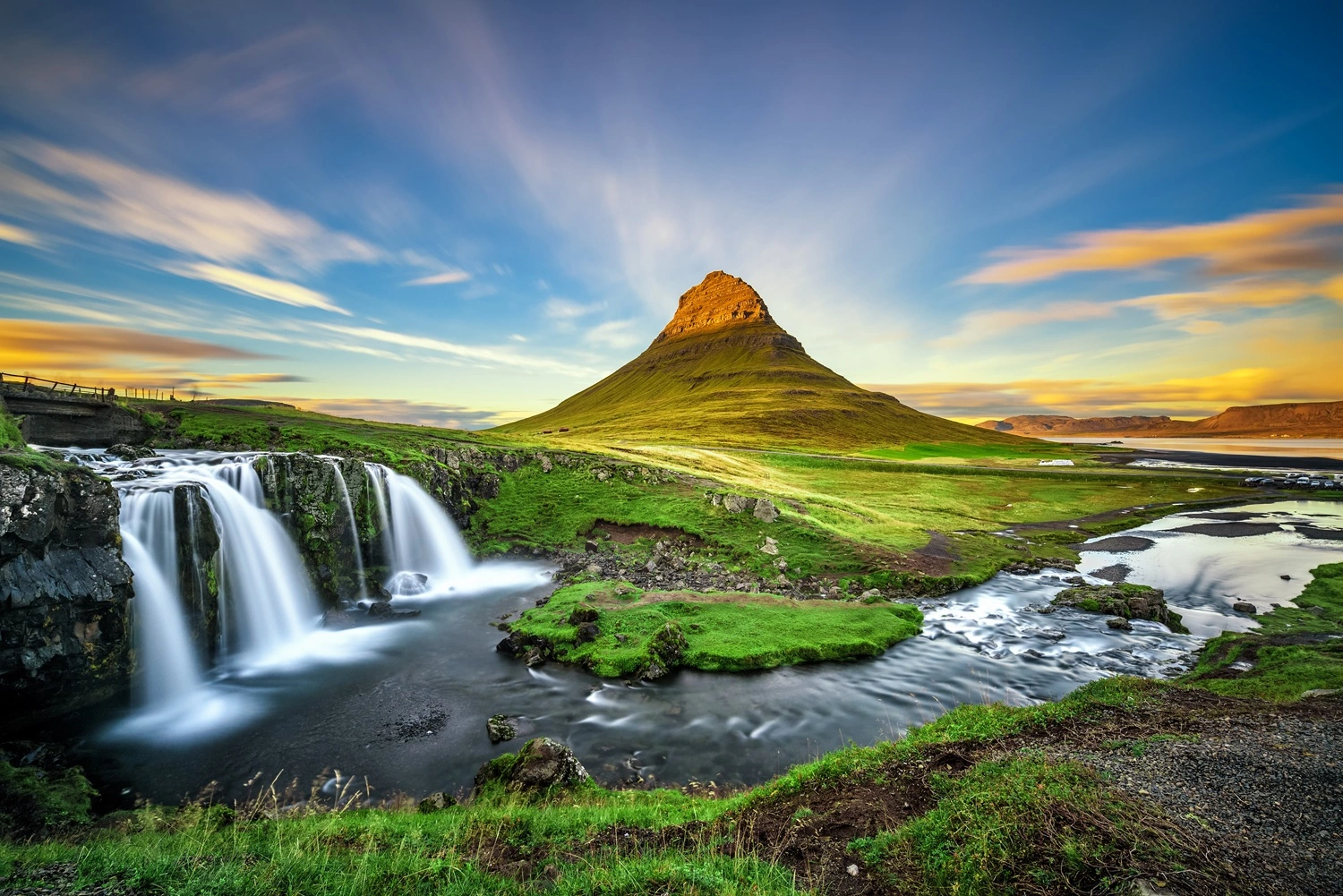
Sweden: History with a Side of Mead
On Lake Mälaren near Stockholm, Birka—one of the Viking Age’s earliest trading centers—preserves the remains of a thriving settlement where merchants exchanged furs, silver and glass beads. Nearby, Restaurant Särimner serves Viking-inspired dishes crafted from local ingredients, with specialties such as slow-roasted lamb, grilled trout and roasted root vegetables accompanied, naturally, by mead.
England: Where the Map Still Speaks Old Norse
The Viking Age is often said to have begun with the raid on Lindisfarne in 792 CE, and northern England still bears its imprint. Town names ending in “-by,” such as Grimsby and Whitby, derive from the Old Norse word for “farm” or “settlement,” while endings like “-thorpe” and “-thwaite” reflect communities established under Scandinavian rule. The longships may be gone, but the landscape still tells their story.
Iceland: Trolls Before the Internet
From Reykjavík, Thingvellir offers one of the Viking world’s most remarkable historic sites. Here, leaders gathered each summer to debate laws and resolve disputes at the Alþingi, one of the world’s oldest parliamentary assemblies. Standing at the Lögberg, or Law Rock, it’s easy to imagine voices carrying across the dramatic rift valley formed by the slow separation of the North American and Eurasian tectonic plates.
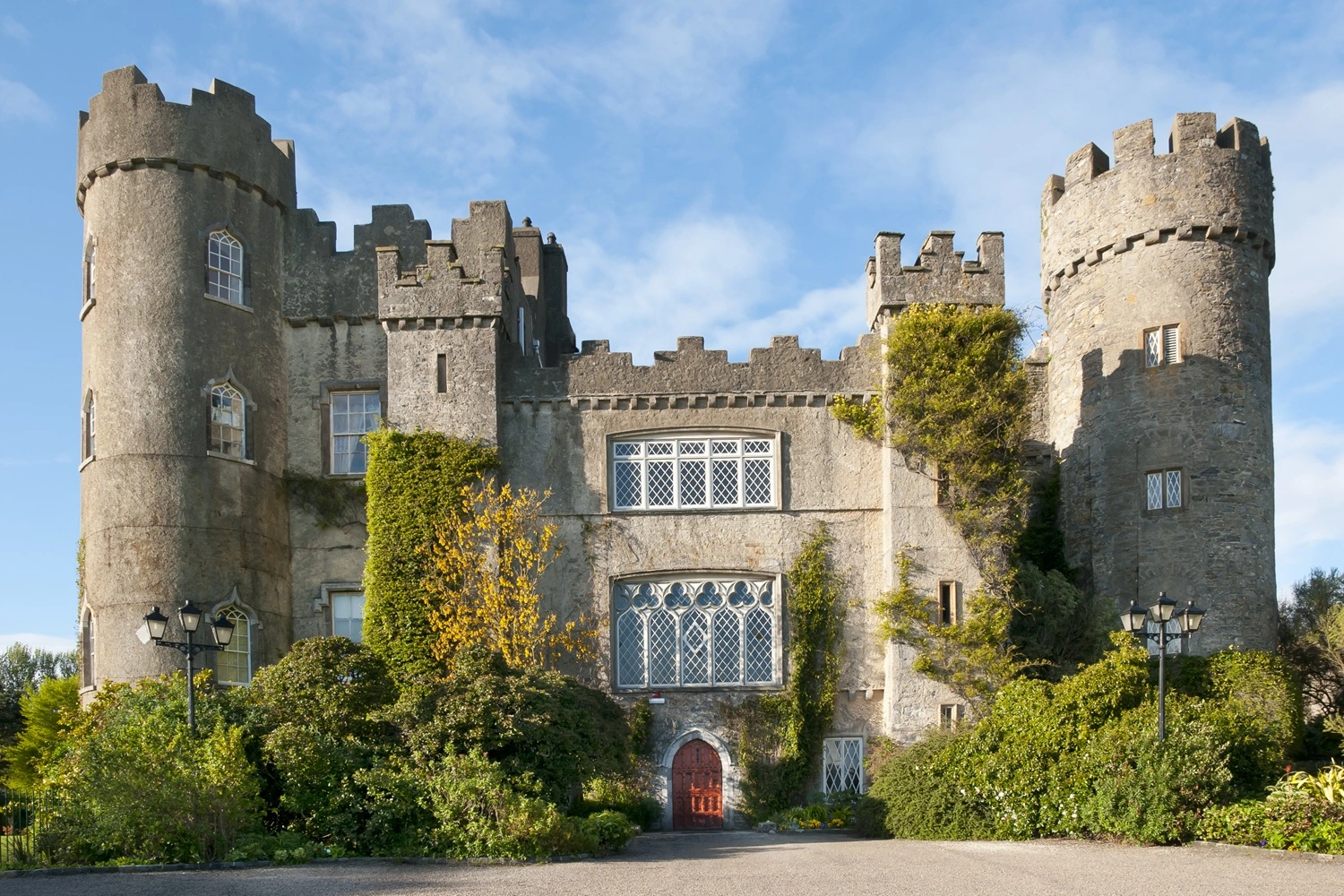
Scotland & Ireland: Walking in Viking Footsteps – Literally
At Jarlshof on Scotland’s Shetland Islands, Norse longhouses stand alongside even older Iron Age dwellings, creating a remarkable archaeological record spanning thousands of years. Viking settlers built their homes among the remains of earlier communities, leaving a layered history still visible today.
In Dublin, Viking history comes alive at Dublinia, where recreated streets and timber homes transport visitors to the city’s Norse past as a thriving trading port. Step inside a Viking house, handle replica weapons and even try on Viking clothing—while discovering that horned helmets belong more to legend than history.
The Viking Age may be long past, but its legacy still echoes across Northern Europe. Much of that heritage endures thanks to the people who proudly preserve and share these stories—many of whom you'll meet on an Oceania Cruises voyage. As you sail waters once crossed by Viking longships, you'll enjoy exceptional cuisine, gracious service and stylish accommodations. Best of all, there's no need to row.
Contact your Travel Advisor today to book your Oceania Cruises voyage today!